How to Store Artwork Without Climate Control in Spokane
Caring for artwork often feels like a delicate balance between preservation and practicality, especially when climate-controlled storage is not part of the equation. While many collectors and homeowners assume that storing art without temperature regulation is risky, the reality is more nuanced. With the right preparation and a thoughtful approach, artwork can be stored safely even in standard units. If you are exploring reliable storage options in Spokane, understanding how to adapt your storage methods to local conditions becomes an essential first step.
Spokane’s environment plays a meaningful role in how items should be stored. The city experiences warm summers and cold winters, which means artwork may be exposed to seasonal shifts if left unprotected. At the same time, Spokane is known for its outdoor lifestyle, with access to trails, riverfront spaces, and cultural attractions that keep residents active throughout the year. The area offers a wide range of recreational activities, from hiking to arts festivals, which reflects the region’s dynamic climate and community. Because of this, creating stability within your storage setup becomes less about controlling the entire environment and more about managing the conditions around your artwork.
Understanding the Risks of Storing Artwork Without Climate Control
Before diving into solutions, it is helpful to understand why artwork can be vulnerable in non-climate-controlled spaces. Materials such as canvas, paper, wood, and adhesives all respond differently to temperature and humidity changes. As these elements expand and contract, even slight fluctuations can lead to warping, cracking, or deterioration over time.
For example, paintings on canvas may loosen or tighten depending on the humidity level, which can eventually affect the paint layer itself. Similarly, paper-based artwork tends to absorb moisture more easily, increasing the risk of curling or mold growth. Spokane’s seasonal variation adds another layer of complexity. Winters can bring cold and damp conditions, while summers may introduce heat and dryness. These shifts do not automatically damage artwork, but they do require careful planning to prevent long-term effects.
At this point, it becomes clear that the goal is not to eliminate environmental change, but rather to slow it down and buffer your artwork from sudden extremes. By focusing on consistency and protection, you can significantly reduce the risks associated with storing artwork without climate control.
Selecting Protective Materials That Work With the Environment
Once you understand the risks, the next step is choosing materials that actively support preservation rather than unintentionally causing harm. Many people instinctively reach for plastic wrapping, assuming it will keep moisture out. However, this approach can actually trap condensation inside, especially in climates with fluctuating temperatures.
Instead, breathable and archival quality materials provide a more reliable solution. Acid-free paper, glassine sheets, and cotton cloths allow air to circulate while still protecting surfaces from dust and abrasion. These materials create a barrier that adapts to environmental changes rather than sealing artwork in a potentially damaging microclimate.
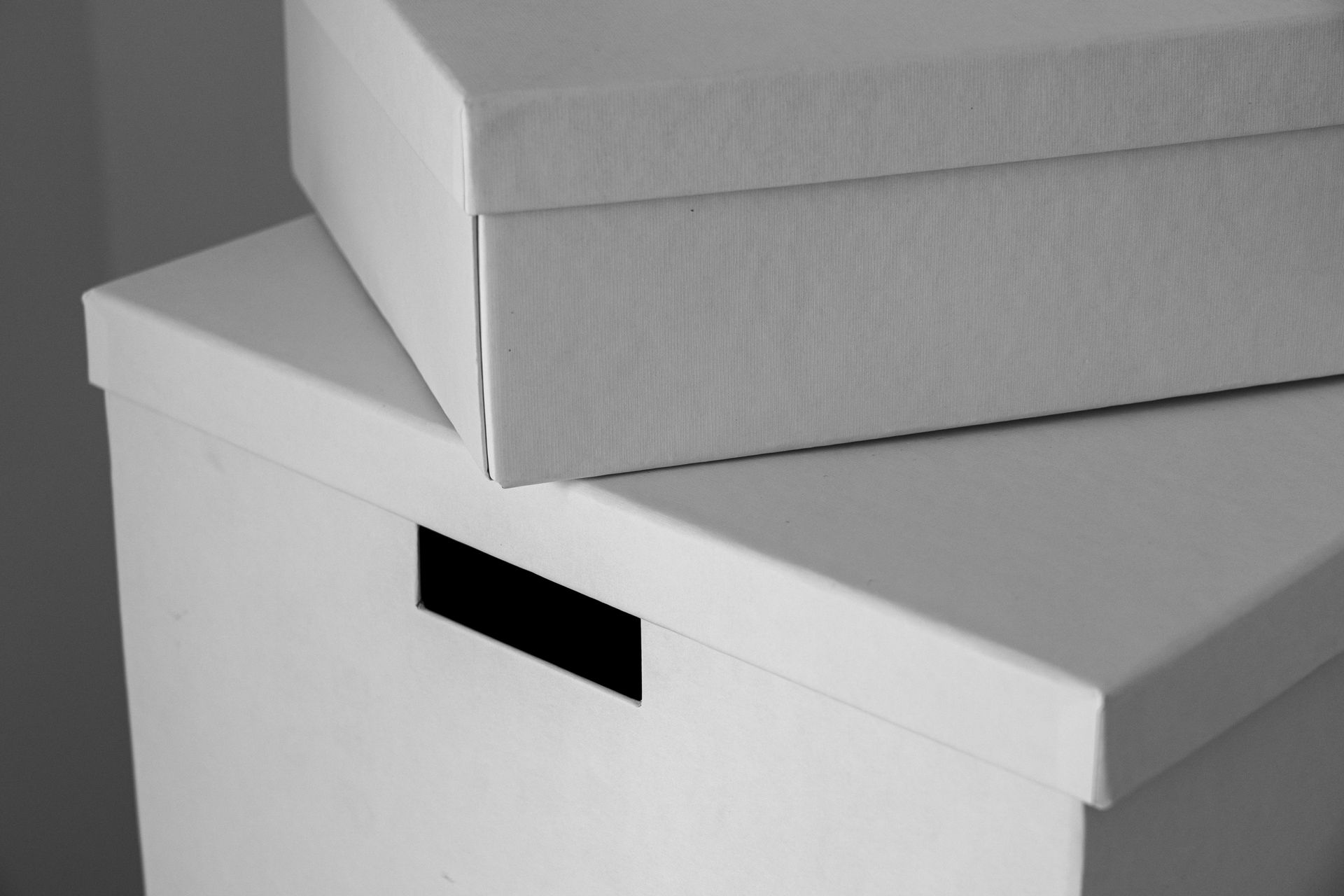
In addition, structural support should not be overlooked. Foam boards, corner protectors, and sturdy backing materials help maintain the shape of framed pieces and canvases. For sculptures or irregular items, padded blankets and cushioning materials can absorb movement and reduce the risk of impact damage. By layering these materials thoughtfully, you create a system that protects both the surface and structure of your artwork. Each layer serves a purpose, and together they form a protective environment that compensates for the lack of climate control.
Preparing Artwork Before It Enters Storage
Equally important as the materials you use is the condition of the artwork before it is stored. Taking time to prepare each piece ensures that existing issues do not worsen over time. This step may seem simple, but it often makes a noticeable difference in long-term preservation.
Begin by gently removing dust and debris using a soft brush or microfiber cloth. Avoid using liquids or cleaning products unless they are specifically designed for the material, as improper cleaning can cause more harm than good. From there, inspect each piece closely for signs of damage. Small cracks, loose frames, or areas of discoloration should be addressed before storage whenever possible.
At the same time, the organization plays a helpful role in maintaining your collection. Grouping similar items and labeling them clearly reduces unnecessary handling later on. The less you need to move or rearrange artwork, the lower the risk of accidental damage. This preparation stage also provides an opportunity to reflect on which pieces may require additional care. For artwork with personal or financial value, applying guidance from this guide on tips for storing valuable or sentimental items can add another layer of protection.
Creating Stability Inside a Non-Climate-Controlled Unit
Although you may not have access to climate control, there are still several ways to create a more stable environment within your storage unit. The key is to minimize direct exposure to external conditions and reduce rapid fluctuations as much as possible. To begin with, elevating artwork off the floor is essential. Pallets, shelving, or raised platforms help prevent moisture from seeping in, particularly during colder months or periods of precipitation. In addition, positioning your artwork away from exterior walls can make a meaningful difference. These walls are more susceptible to temperature changes, so placing items toward the center of the unit helps maintain a more consistent environment.
Another useful strategy involves incorporating moisture control tools such as silica gel packets or desiccants. While these will not completely regulate humidity, they can help absorb excess moisture and create a more balanced atmosphere around your artwork. Altogether, these small adjustments work together to create a buffer between your artwork and the surrounding environment. Even without advanced systems, you can significantly improve storage conditions by focusing on placement and airflow.
Smart Packing Techniques That Protect Artwork Over Time
Packing is not just about fitting items into a space. Rather, it is about creating a structure that supports and protects artwork throughout its time in storage. By approaching packing with intention, you can reduce stress on materials and prevent unnecessary damage.
- Store paintings and framed pieces upright to avoid pressure on the surface
- Place protective dividers between items to prevent contact and friction
- Wrap each piece individually to maintain its condition
- Leave small gaps between items to allow for airflow
While it may be tempting to maximize every inch of your storage unit, slightly reducing density often leads to better results. Air circulation helps prevent moisture buildup, and proper spacing reduces the likelihood of accidental contact between pieces. For those working with limited space, finding the right balance between efficiency and protection is important. Applying strategies from this guide on how to make the most of a small storage unit can help you organize your unit effectively without compromising the safety of your artwork.
Adapting Storage Methods for Different Types of Artwork
As you refine your storage approach, it becomes clear that not all artwork requires the same treatment. Each medium responds differently to environmental conditions, which means your strategy should be flexible and tailored. Canvas paintings benefit from stable positioning and support, as fluctuations can affect tension and surface integrity. On the other hand, paper-based artwork requires extra attention to humidity, making archival sleeves and rigid storage particularly valuable.
Sculptures introduce another layer of complexity, as their materials can vary widely. Wood may expand or contract, metal can react to moisture, and ceramics may become brittle in colder conditions. Providing custom padding and ensuring stability within the unit helps address these challenges. By recognizing these differences, you can adapt your storage techniques accordingly. This approach not only protects individual pieces but also ensures that your entire collection is stored with care and intention.
Monitoring Conditions and Adjusting Over Time
Even with careful preparation, storage is not a one-time task. Instead, it is an ongoing process that benefits from periodic attention. Checking on your storage unit allows you to identify potential issues early and make adjustments as needed. During these visits, look for signs of moisture, temperature-related changes, or pest activity. Spokane’s seasonal transitions mean that conditions can shift throughout the year, so adapting your setup accordingly helps maintain stability. For instance, adding extra moisture absorbers during wetter months or improving airflow during warmer periods can make a noticeable difference.
Research highlights the importance of maintaining consistent conditions when preserving artwork and cultural materials. While perfect consistency may not be possible without climate control, gradual adjustments and regular monitoring can still provide effective protection.
Living in Spokane While Keeping Your Artwork Safe
One of the advantages of storing artwork thoughtfully is the peace of mind it brings. Knowing your pieces are protected allows you to fully enjoy everything Spokane has to offer. The city provides countless opportunities to stay engaged with both nature and the arts. This connection to creativity often inspires people to expand their collections or experiment with new forms of expression. With a reliable storage approach in place, you can continue to enjoy these experiences without worrying about the condition of your existing artwork. In this way, storage becomes less of a limitation and more of a supportive tool. It allows you to maintain your collection while still embracing the active and creative lifestyle that Spokane encourages.
Ultimately, learning how to store artwork without climate control comes down to preparation, awareness, and consistency. By selecting the right materials, preparing each piece carefully, and creating a stable environment within your unit, you can protect your artwork effectively over time. For those considering practical storage options in Spokane, applying these techniques can help preserve artwork while adapting to local conditions. With the right approach, your collection remains protected and ready to be enjoyed whenever you choose to bring it back into your space.